
How Stress Impacts Hair Growth (And How to Get Back on Track)
Stressing about hair loss? We’re here to help.
Life can feel like a juggling act—emails, errands, relationships, and the general chaos of being a human. And while we’re performing our one-woman circus, our hair is quietly keeping score. If you’ve ever noticed extra shedding during tough times, you’re not imagining it. Stress really can influence your hair growth cycle. The good news? Once you know what’s going on, you can take steps to support your hair and your overall well-being.
In this guide, we’ll break down how stress affects hair growth, common stress-related triggers, signs to look out for, and how to gently get your strands (and yourself) back on track.
How Stress Impacts Hair Growth
Your hair grows in a natural cycle made up of three phases:
- Anagen (growth phase)
- Catagen (transition phase)
- Telogen (resting + shedding phase)
When your body experiences high or prolonged stress, it can push more hair follicles from the anagen phase into telogen—a phenomenon called telogen effluvium. This causes noticeable shedding a few months after a stressful event. According to the American Academy of Dermatology, people may lose up to 300 hairs per day during telogen effluvium, compared to the typical 50–100 hairs daily.
Stress also increases cortisol (your “fight-or-flight” hormone). Elevated cortisol levels may disrupt the functioning of hair follicle cells and affect hair cycling, leading to weaker regrowth.
Common Causes of Stress-Induced Hair Loss
Stress can come from many corners of life—some obvious, some sneaky. Common triggers include:
- Major Life Changes: Moving, switching jobs, planning a wedding, becoming a new parent—big transitions can send your system into overdrive.
- Emotional Stress or Anxiety: Chronic emotional stress can keep cortisol levels elevated, setting the stage for increased shedding.
- Illness or Physical Stress: High fevers, surgical procedures, or recovering from illness can push hair prematurely into the shedding phase.
- Nutritional Gaps: When you’re stressed, eating balanced meals may fall to the bottom of the to-do list. Low levels of iron, vitamin D, protein, or overall calories can impact hair growth.
- Lack of Sleep: Sleep helps regulate hormones—and without it, your body may struggle to maintain healthy hair growth.
Signs of Stress-Related Hair Loss
Hair loss related to stress often shows up differently than other types of hair thinning. Look out for:
- Excessive shedding, especially while brushing or washing your hair
- A sudden increase in loose strands on your pillow, clothing, or shower drain
- Thinning around the crown or across the entire scalp (diffuse thinning)
- Shedding 2–3 months after a stressful event, a hallmark of telogen effluvium
And before you start panicking, just know there is a silver lining here. Stress-induced hair loss is typically temporary. With the right support and consistency, new growth has a strong chance of returning.
How to Get Back on Track: Simple Ways to Support Healthy Hair Habits
Your scalp and hair thrive when you do. Here are gentle ways to help your system reset:
Prioritize Small Acts of Self-Care
Self-care doesn’t have to mean elaborate routines—sometimes it’s five extra minutes of quiet time, a walk outside, or an early bedtime. You can even try incorporating a scalp massage into your daily routine as a quick and easy way to boost relaxation and circulation to the scalp.
Try Breathing Exercises
When you’re stressed, we know that time is of the essence. All it takes is just a few minutes of deep breathing to help lower cortisol levels and activate the parasympathetic nervous system. Not sure where to start? Try the 4-7-8 method: inhale for 4 seconds, hold for 7, exhale for 8. Repeat four times for a quick reset.
Take Meaningful Breaks
We know that not everyone has the luxury of taking a week-long vacation. But sometimes, your brain and body need to hit pause, no matter how little time you have. Whether you’re working, parenting, studying, or checking off your never-ending list, build in mini-breaks to move, stretch, or simply breathe.
Start a Consistent Hair Growth Routine
Consistency is key—especially with stress-related shedding. Support your scalp and strands with:
- A gentle cleansing routine to remove buildup and reset the scalp
- Scalp massages to boost circulation and stimulate the follicles
- Hair growth products designed to support thicker-looking hair
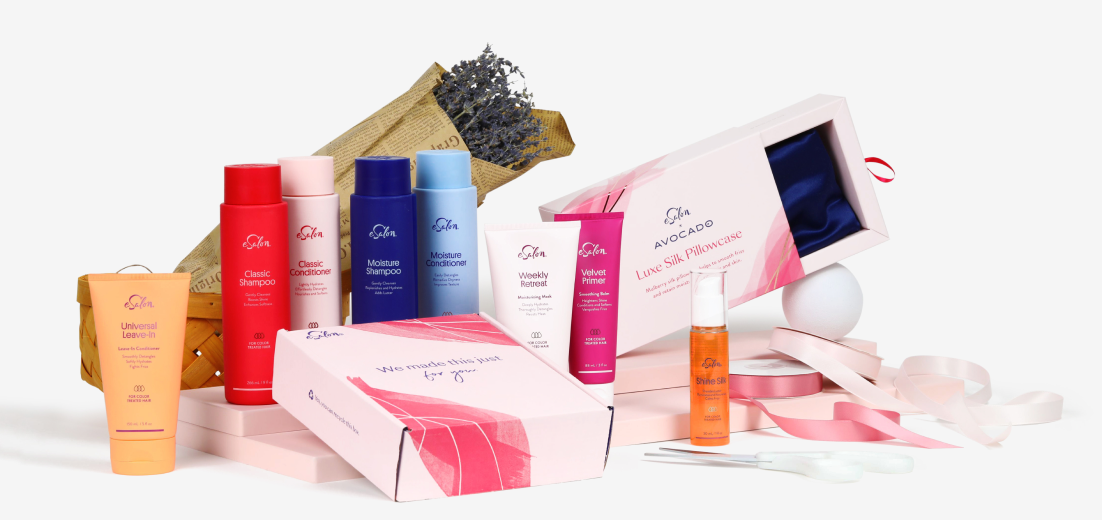
For zero guessing (and zero stressing!), an eSalon Custom Hair Growth Routine ensures you have everything you need to target your unique scalp and hair growth goals.
Stress may take a temporary toll on your hair, but it doesn’t define its future. By understanding how stress impacts the hair growth cycle and taking simple steps to support your well-being, you can give your strands everything they need to bounce back.
Remember: hair growth is a journey, not a race. Be patient with yourself, fuel your body, nurture your scalp, and give your mind the gentleness it deserves. Your hair—and your whole self—will thank you.