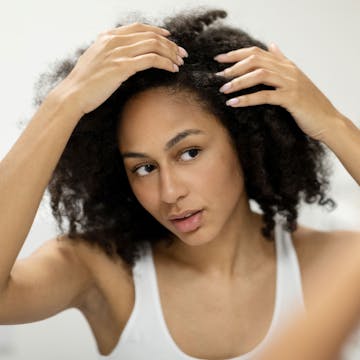
Hair Density vs. Thickness: What’s the Difference?
Whether you have thick hair, fine hair, or something in between, knowing what you’re working with is the first step to giving your hair what it needs.
If you’ve ever described your hair as “thick,” you might actually be talking about two different things: hair density and hair thickness. While the terms are often used interchangeably, they describe different characteristics of your hair. Understanding the difference can make it easier to choose the right products, styling techniques, and hair care routine for your needs.
So, what’s the difference between hair density and thickness? Hair density refers to how many strands are growing within a given area of your scalp, while hair thickness refers to the width of each individual strand. Let’s take a closer look at what that means for your hair.
What Is Hair Density?
Hair density refers to the number of individual hair strands growing within a specific area of your scalp. In other words, it describes how closely together your strands grow, not how thick each strand is.
So what might that look like for you? If you have higher-density hair, it typically means that you have more strands growing within an area of the scalp. On the other hand, lower-density hair has fewer strands within that same area. Density often affects how full your hair looks and how much of your scalp is visible.
Keep in mind that someone can naturally have lower-density hair without experiencing hair loss. So if you have more visible scalp than your best friend, it is not automatically a cause for concern, but instead, another sign that shows how unique your hair is.
What Is Hair Thickness?
Unlike hair density, hair thickness refers to the diameter, or width, of an individual hair strand. Individual strands are generally described in three categories: fine, medium, or coarse. Fine hair describes the smallest strand diameter, coarse hair the largest, and medium hair somewhere in between.
It’s important to note that fine does not always mean thin hair—fine describes the thickness, and thin describes the density. So it’s possible to have fine strands and a lot of them (high density) or coarse strands and fewer of them (low density).
Can Hair Density and Thickness Change?
Yes, it is possible for our hair’s density and thickness to change throughout our life. Many different factors can affect the texture and look of our hair, like:
- Genetics
- Aging Process
- Hormonal Changes
If you’re noticing changes in your hair type or thickness, it may be a sign that your hair needs some added support.
How to Support Denser, Thicker-Looking Hair
Care for Your Hair and Scalp
Gentle cleansing, conditioning, minimizing unnecessary damage, and choosing products suited to your hair's needs can help strands look and feel their best.
Style with Your Hair Type in Mind
For someone with lower-density or fine hair, lightweight products, strategic styling, and avoiding formulas that weigh hair down can help create the appearance of more volume.
Address Breakage
If breakage is contributing to a less-full appearance, focus on protecting and strengthening the lengths rather than assuming you need a hair growth treatment.
Explore Hair Growth Options
If your hair density has noticeably changed, it may be worth looking beyond styling and hair care alone. Depending on the cause, hair growth options such as topical minoxidil may help support regrowth. eSalon Custom Hair Growth takes a personalized approach, combining clinically backed ingredients with targeted scalp care based on your hair profile and goals.
Understanding the difference between density and thickness can help you make better choices for your hair. Whether you’re working with fine strands, lower density, or changes you’ve noticed over time, the right routine starts with knowing what your hair actually needs. If you’re seeing a noticeable shift in density, explore eSalon Custom Hair Growth for personalized support built around your hair goals.